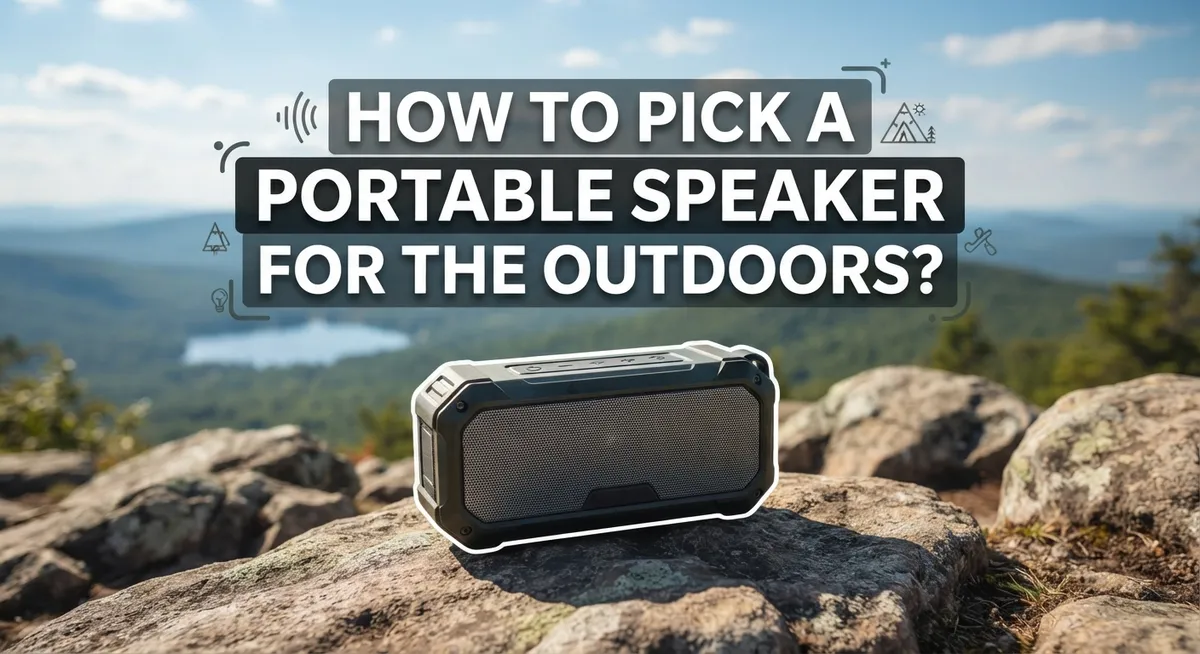
How to Pick a Portable Speaker for the Outdoors?
Picture this. You are camping by a lake, and your favorite playlist is echoing through the trees. That moment only happens when you choose the right speaker.
Picking a portable speaker for the outdoors is not always simple. You need something tough, loud, and easy to carry. But too many people grab any speaker and regret it later.
Water damage ruins electronics fast. A sudden rain shower can end your music session in seconds. That is why understanding IP ratings matters so much.
Size plays a big role too. Bigger speakers often deliver deeper bass and louder volume. Smaller speakers win on convenience and portability.
This guide walks you through everything you need to know. We will cover water resistance, weight, sound quality, and common buying mistakes. You will also learn how proper placement improves your listening experience outdoors.
By the end, you will feel confident choosing a speaker that fits your lifestyle. Whether you hike, camp, or grill in the backyard, the right speaker makes every outdoor moment better. Let’s get started.
In a Nutshell
Here’s what matters most when you choose an outdoor speaker:
-
Check the IP rating first. This number tells you how well the speaker handles water and dust. A higher rating means better protection during rain or beach trips.
-
Think about size and weight. Bigger speakers give you louder volume and deeper bass. But they also get harder to carry around.
-
Match portability to your activity. A quick backyard barbecue needs something light. A camping trip might allow for a bulkier option.
-
Test the sound quality before you commit. Listen for clear highs and solid bass, especially at higher volumes outdoors.
-
Protect the circuitry. Even splash resistant speakers can fail if water sneaks into ports or seams. Always check seals and covers.
-
Position your speaker wisely. Placing it on a stable, elevated surface improves sound projection. Avoid pointing it toward walls or dense bushes.
Keep these points in mind, and you’ll pick a speaker that survives the outdoors and sounds great while doing it. Balance is key: durability, portability, and sound quality all matter together.
Understanding IP Ratings and Weather Protection
IP ratings are letter and number codes that tell you how well a speaker handles water and dust. You’ll see them written as “IP” followed by two digits, like IP67 or IP54. Understanding these codes helps you pick a speaker that actually survives outdoor conditions.
The first digit rates dust protection on a scale from 0 to 6. A rating of 0 means no protection at all. A rating of 6 means the speaker is completely dustproof, so sand and dirt won’t get inside during beach trips or camping adventures.
The second digit rates water resistance on a scale from 0 to 8. This number matters most for outdoor speakers. A rating of 3 means the speaker handles light rain and splashes. A rating of 4 protects against water splashing from any direction. A rating of 5 or 6 means the speaker survives jets of water, like from a hose.
Higher ratings like 7 or 8 indicate the speaker can handle temporary or full submersion in water. These speakers work great if you plan to use them near pools or lakes.
Here’s what you should know about choosing based on IP ratings. For casual outdoor use like backyard barbecues, an IP54 rating works fine. For beach trips or situations with heavy rain, aim for IP67 or higher. If you’ll use your speaker near water activities, look for ratings that allow submersion.
Remember that IP ratings only tell part of the story. A speaker with a high IP rating still needs proper care. Avoid leaving it in standing water for long periods. Dry it off after use. Store it in a cool, dry place when not in use.
The IP rating is your first line of defense against weather damage, but it works best when combined with smart handling and storage practices.
How Speaker Size Affects Volume and Bass Quality
Speaker size directly impacts how loud your outdoor speaker plays and how deep the bass sounds. Understanding this relationship helps you pick the right speaker for your needs.
Larger speakers produce louder volume. A bigger speaker has more surface area to move air. This means sound travels farther and reaches higher decibel levels. If you’re hosting a large gathering or want music to carry across a big yard, a larger speaker makes sense. Small speakers work fine for intimate settings like a patio dinner for two.
Bass quality improves with size. Lower frequencies need more physical space to develop properly. Larger speakers have bigger drivers and enclosures that handle bass notes better. You’ll hear richer, deeper bass from a 10-inch speaker compared to a 3-inch one. This matters if you enjoy music genres that rely on strong bass.
Size affects portability. Bigger speakers weigh more and take up more space. You need to carry them to your location, which becomes difficult with heavier models. Consider where you’ll actually use the speaker. Will you move it often, or does it stay in one spot?
Balance sound quality with practicality. A medium-sized speaker often offers the best compromise. It provides decent volume and bass without being too heavy to transport. Most people find 4 to 8-inch speakers work well for typical outdoor activities.
Test before you decide. Visit locations where you can hear different speaker sizes in action. Listen to music you actually enjoy. Pay attention to how the bass sounds and whether the volume feels right for your space.
Remember that speaker placement also matters. Even a smaller speaker sounds better when positioned correctly. Elevation and distance from walls affect how sound travels to your ears.
Balancing Portability with Weight and Carrying Capacity
When you pick an outdoor speaker, weight and carrying capacity matter as much as sound quality. You need something powerful enough to enjoy music, but light enough to actually transport it.
Weight considerations start with your activity type. If you’re hiking to a remote campsite, a speaker over 5 pounds becomes a burden quickly. For backyard use, weight matters less since you’re not carrying it far. Think honestly about how often you’ll move the speaker and how far.
Carrying capacity depends on your physical ability and the speaker’s design. Some speakers have built in handles that make them easy to grip. Others have loops for carabiners or straps. Check if the design actually works for how you plan to transport it. A handle that looks good in photos might feel uncomfortable during a 20 minute walk.
Size and weight work together. Compact speakers under 2 pounds fit easily in backpacks. Mid range speakers between 2 and 5 pounds offer better sound but need dedicated carrying space. Larger models above 5 pounds require serious commitment to transport.
Test the actual carrying experience. Pick up the speaker and hold it the way you’d carry it outside. Does your arm get tired? Does the handle dig into your palm? These details matter during real world use.
Balance sound output with practicality. You might want maximum volume, but a lighter speaker with decent sound beats a heavy speaker you’ll leave home. Many people compromise by choosing a medium weight option that delivers solid performance without excessive bulk.
Consider storage space too. Where will you keep the speaker when not in use? Make sure it fits comfortably in your closet, garage, or car trunk. Awkward sized speakers create storage headaches that discourage regular use.
Step-by-Step Guide to Choosing the Right Speaker
Start by identifying your specific outdoor activity. Are you hosting a backyard gathering, camping in the wilderness, or taking the speaker to the beach? Your activity determines which features matter most.
Next, check the IP rating carefully. This two digit code tells you dust and water resistance levels. The first digit rates dust protection from 0 to 6. The second digit rates water resistance from 0 to 8. For outdoor use, look for at least IP54 or higher to handle splashes and dust.
Consider where you’ll use the speaker most often. Poolside use demands stronger water resistance than a patio setup. Beach trips require protection from sand and salt water. Mountain hikes need lightweight designs that won’t tire you out.
Evaluate battery life based on your typical usage patterns. Some speakers last 8 hours while others reach 20 hours. Longer events need extended battery performance. Check if the speaker charges quickly for backup power.
Test the sound quality in person if possible. Play music you know well. Listen for clear highs, balanced mids, and solid bass. Volume matters, but distortion at maximum levels ruins the experience.
Look at the speaker’s physical design. Does it have a handle for easy carrying? Are controls simple to use with wet hands? Can you mount it on a pole or stand? These practical details affect real world enjoyment.
Check connectivity options too. Bluetooth works for most people, but some prefer auxiliary cable options as backup. Ensure the speaker connects reliably to your devices.
Finally, read honest user feedback about durability. Real customers reveal how speakers perform after months of outdoor use. They highlight which models survive drops, weather exposure, and regular handling.
Combine all these factors to find a speaker that matches your specific needs and outdoor lifestyle.
Testing Waterproofing: Splashes, Rain, and Submersion
Water resistance matters most when you take a speaker outdoors. Rain, splashes, and accidental dunks happen. You need to understand what your speaker can actually handle before you buy it.
The IP rating system tells you exactly how much water protection you get. IP stands for Ingress Protection. The first number rates dust resistance, and the second number rates water resistance. For outdoor speakers, focus on that second number. A rating of IPX4 means the speaker handles splashes from any direction. IPX5 or IPX6 means it survives water jets and stronger rain. IPX7 means you can submerge it briefly in shallow water. IPX8 allows full submersion at deeper depths.
Test the speaker yourself before relying on its rating. Splash it gently with water from a distance. Listen for any changes in sound quality. Check if water pools around buttons or seams. Real world conditions are messier than lab tests.
Rain testing matters because outdoor speakers face constant moisture. Leave your speaker in light rain for 15 minutes. Then play music and listen for crackling or distortion. These sounds mean water reached internal circuits.
Submersion testing applies if you plan pool parties or beach trips. Read the manufacturer’s depth and time limits carefully. IPX7 speakers typically handle 1 meter for 30 minutes maximum. Don’t exceed these limits even if you’re tempted.
Pay attention to the speaker’s seals and gaskets. These rubber parts prevent water from entering. Check if they’re replaceable, since they wear out over time.
Dry your speaker completely after water exposure. Leave it in a warm, dry place for several hours. Moisture trapped inside causes problems later.
Consider your specific activities when choosing a water rating. Casual backyard use needs less protection than beach trips. Match the IP rating to your actual outdoor plans.
Tips for Optimal Speaker Placement and Sound Performance
Speaker placement changes everything about how your outdoor experience sounds. The position of your speaker directly affects volume, clarity, and bass response. You want sound to reach your ears and your friends’ ears evenly.
Place your speaker at ear level or slightly above when possible. Sound travels in waves that spread outward and downward. A speaker sitting on the ground loses much of its impact because sound bounces off hard surfaces. Elevating it on a table, stand, or rock helps distribute audio more effectively.
Point the speaker toward your group, not away from it. Most portable speakers have a front side where sound projects strongest. Aim this direction at where people will gather. Avoid placing speakers against walls or in corners, as sound bounces back and creates echoes that muddy the audio.
Distance matters more than you think. Keep your speaker within 30 feet of your listening area for best results. Outdoor spaces have no walls to contain sound, so audio disperses quickly. Closer placement means better clarity and stronger bass without cranking the volume to maximum.
Avoid placing speakers on sand, dirt, or soft surfaces that absorb sound. Hard surfaces like concrete, wood decks, or rocks reflect sound better and improve overall performance. If you must use soft ground, place the speaker on a small platform.
Check for obstacles between your speaker and listeners. Trees, tents, and large objects block sound waves. Position your speaker in an open area when you can.
Wind direction affects sound too. Place your speaker upwind so sound carries toward your group rather than blowing away. On calm days this matters less, but outdoor conditions change quickly.
Test different positions before settling on one. Move your speaker around your space and listen from various spots. You’ll quickly discover where it sounds best for your specific location and group size.
Common Mistakes to Avoid When Selecting an Outdoor Speaker
Picking an outdoor speaker seems simple until you make a mistake that ruins your experience. Let’s cover the most common errors people make so you can avoid them.
Ignoring the IP rating is the biggest mistake. Many buyers focus only on sound quality and forget that outdoor speakers need protection. The IP rating tells you how resistant a speaker is to water and dust. If you skip this step, rain or splashes will damage your speaker quickly. Check the rating before anything else.
Choosing a speaker that’s too heavy is another frequent error. You might love the sound of a large model, but if you can’t carry it comfortably, you won’t use it. Weight matters more than people realize. Test the actual weight by holding it the way you’d carry it outside.
Poor speaker positioning wastes your money. Even great speakers sound bad when placed on soft surfaces like sand or dirt. These surfaces absorb sound and reduce volume. Your speaker performs best on hard, flat surfaces at ear level or slightly above.
Many people overlook circuitry protection from water damage. A speaker might survive splashes, but internal moisture can cause problems later. Always dry your speaker completely after water exposure. Don’t assume waterproofing means it’s completely safe from all water situations.
Neglecting to test connectivity options causes frustration too. Make sure the Bluetooth range works for your outdoor space. Some speakers have weak signals that drop out frequently.
Finally, people often buy based on reviews alone without considering their specific activities. A speaker perfect for grilling might fail at a beach trip. Think about your actual outdoor use before purchasing. Match the speaker’s features to your real needs, not just impressive specifications.
Final Thoughts
Picking the right portable speaker for outdoors comes down to a few key choices. You need to balance sound quality, durability, and portability.
Think about where you’ll use your speaker most. Beach trips need higher water resistance. Backyard gatherings need less protection but more volume.
IP ratings matter more than fancy features. A speaker with a solid water rating will survive your adventures. One without protection might not last a single season.
Size and portability go hand in hand with your lifestyle. Hikers need lightweight options. Campers with vehicles can carry larger speakers with deeper bass.
Remember that bigger speakers produce louder, richer sound. But they also weigh more and take up space. Your specific outdoor activities should guide this tradeoff.
Test your speaker before you truly need it. Try it in your backyard first. Check how it handles light rain or accidental splashes.
Positioning affects performance just as much as the speaker itself. Even the best speaker sounds weak if placed poorly. Elevate it and point it toward your group.
Avoid common mistakes that ruin outdoor audio experiences. Skipping IP rating checks leads to water damage. Choosing weight over practicality makes trips harder than they should be.
Connectivity matters for convenience. Bluetooth models offer easy setup for casual outdoor use. Check the range and pairing process before you buy.
Your outdoor lifestyle is unique to you. A speaker that works for camping might not suit poolside relaxation. Match features to your actual needs.
Take time to weigh these factors together. Durability, sound quality, and portability all matter. The right balance depends on how and where you plan to use your speaker.
With the right choice, your outdoor speaker becomes a reliable companion. It survives weather, delivers great sound, and fits your active lifestyle. That’s what smart speaker selection looks like.
Frequently Asked Questions
What does IP rating mean for outdoor speakers?
IP rating tells you how well a speaker resists water and dust. The first number rates dust protection (0 to 6). The second number rates water resistance (0 to 9).
For outdoor use, look for at least IP54 or higher. This means the speaker handles splashes and light rain. If you plan water activities, choose IP67 or IP68 for full submersion protection.
How much does speaker size affect sound quality?
Larger speakers produce louder, deeper sound. A small speaker works fine for intimate gatherings. A medium or large speaker fills outdoor spaces better and delivers richer bass.
Think about your space. A backyard needs less power than a beach or park setting. Match the speaker size to your typical listening area.
Can I use any Bluetooth speaker outdoors?
Not all Bluetooth speakers suit outdoor conditions. Standard indoor speakers lack proper water protection and weather resistance.
Outdoor-specific speakers have reinforced circuitry that survives moisture exposure. They use durable materials that handle temperature changes and UV exposure. Choose a speaker designed for outdoor use, not just one that happens to be portable.
What weight is too heavy for a portable speaker?
Portability depends on your activities. A speaker you carry to the park should weigh under 3 pounds. If you drive to locations, weight matters less.
Consider how far you’ll carry it and how often. Test holding it before buying. Your arms will thank you during long outdoor sessions.
Should I worry about speaker positioning outdoors?
Yes. Positioning affects performance as much as the speaker itself. Point your speaker toward your group, not away. Place it at ear level when possible. Avoid soft surfaces like sand or grass that absorb sound. Wind direction also impacts how sound travels to your listeners.

Dillip is the founder and editor of dillip.net, a passionate tech enthusiast and AI explorer dedicated to simplifying the world of artificial intelligence and technology for everyday users. With a keen eye for detail, he provides honest reviews, in-depth comparisons, and practical guides to help readers make smarter tech decisions.